
Pigmentation and Acne: Why Your Skin Needs More Than Just Creams
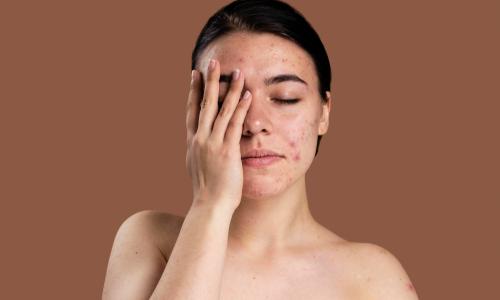
"I've tried everything—face washes, serums, even homemade packs—but my pigmentation and acne just won't go away." If this sounds like your story, you're not alone.
At RD Clinic in Chembur, we meet countless individuals with similar concerns—some battling hormonal acne, others trying to fade those stubborn dark patches that won't budge no matter what you apply. Let's uncover the truth behind pigmentation and acne—and how understanding your skin better can lead to lasting solutions.
The Silent Struggles Behind Clear Skin
Most people think acne and pigmentation are surface issues. But truthfully, they're signals—your skin's way of telling you that something deeper needs attention.
Acne: More Than Just a Pimple
Acne is one of the most common skin conditions we see in our dermatology practice in Chembur. While teenage acne is driven by hormonal fluctuations, adult acne is often linked to stress, PCOS, thyroid imbalance, or even incorrect skincare habits.
Comedonal Acne
Whiteheads or blackheads, especially on the forehead and chin.
Inflammatory Acne
Red, painful bumps that often leave marks behind.
Cystic Acne
Deep, pus-filled nodules—often painful and hard to treat without medical help.
Pigmentation: The Patchwork You Can't Ignore
Pigmentation appears in many forms—and each requires a different approach:
Melasma
Symmetrical brown patches, often triggered by hormones and sun exposure.
Post-inflammatory Hyperpigmentation
Dark spots left behind after acne or injury.
Sun Spots
Age-related darkening caused by prolonged UV exposure.
The Chembur climate and increasing pollution levels don't help—especially if you skip sunscreen or use harsh products.
Why Over-the-Counter Solutions Fail
Most OTC products claim to "clear acne" or "brighten dark spots," but:
- They don't target the root cause.
- They contain bleaching agents or alcohol-based ingredients that damage the skin barrier.
- They are not suited for your skin type, leading to more breakouts or irritation.
At RD Clinic, we always begin with a skin analysis to understand the type, depth, and cause of acne and pigmentation before beginning any treatment.
RD Clinic's Dermatologist-Backed Solutions
Here's how we approach pigmentation and acne at our Chembur skin clinic:
- Chemical Peels: Glycolic, Salicylic, or Lactic acid-based peels that unclog pores and reduce acne.
- Acne Scars Solutions: Microneedling with PRP, laser resurfacing, and subcision for deeper scars.
- Lifestyle and Diet Counselling: Because what you eat, drink, and feel reflects on your skin.
- Depigmenting Peels: Reduce melanin clusters and even out the skin tone.
- Laser Treatments: Q-switch or fractional lasers help in deep pigment removal.
- Topical Medications: Prescribed creams with Kojic acid, Vitamin C, and Retinoids based on your skin profile.
Real Results, Root Cause Approach
Patient Story — Ritika, 29, Chembur
A marketing executive who came to us after trying every brand available online. She suffered from hormonal acne and patchy melasma. After a personalised treatment plan that included hormonal evaluation, oral medication, and laser therapy, her skin cleared significantly in just 3 months.
Why Choose RD Clinic, Chembur?
RD Clinic is not just a skin clinic—it's a specialist-driven centre where we believe in scientific diagnosis, safe proven treatments, and holistic care with transparency. Our dermatologists in Chembur are trained in the latest acne and pigmentation management protocols, combining medical science with skin empathy.
Skincare Tips from Our Chembur Dermatologist
Use non-comedogenic skincare products.
Apply broad-spectrum sunscreen SPF 50 every day—even indoors.
Avoid scrubbing acne or using fairness creams that promise overnight results.
Don't self-medicate. Seek professional help—especially if acne or pigmentation persists beyond 4 weeks.
Ready to Take Your First Step Toward Clearer Skin?
Don't let skin issues impact your confidence. Book a consultation at RD Clinic, Chembur, and let's create a skin plan that works for you—not just your symptoms.
Ready to discuss your concern with a specialist?